The Power of Compounding
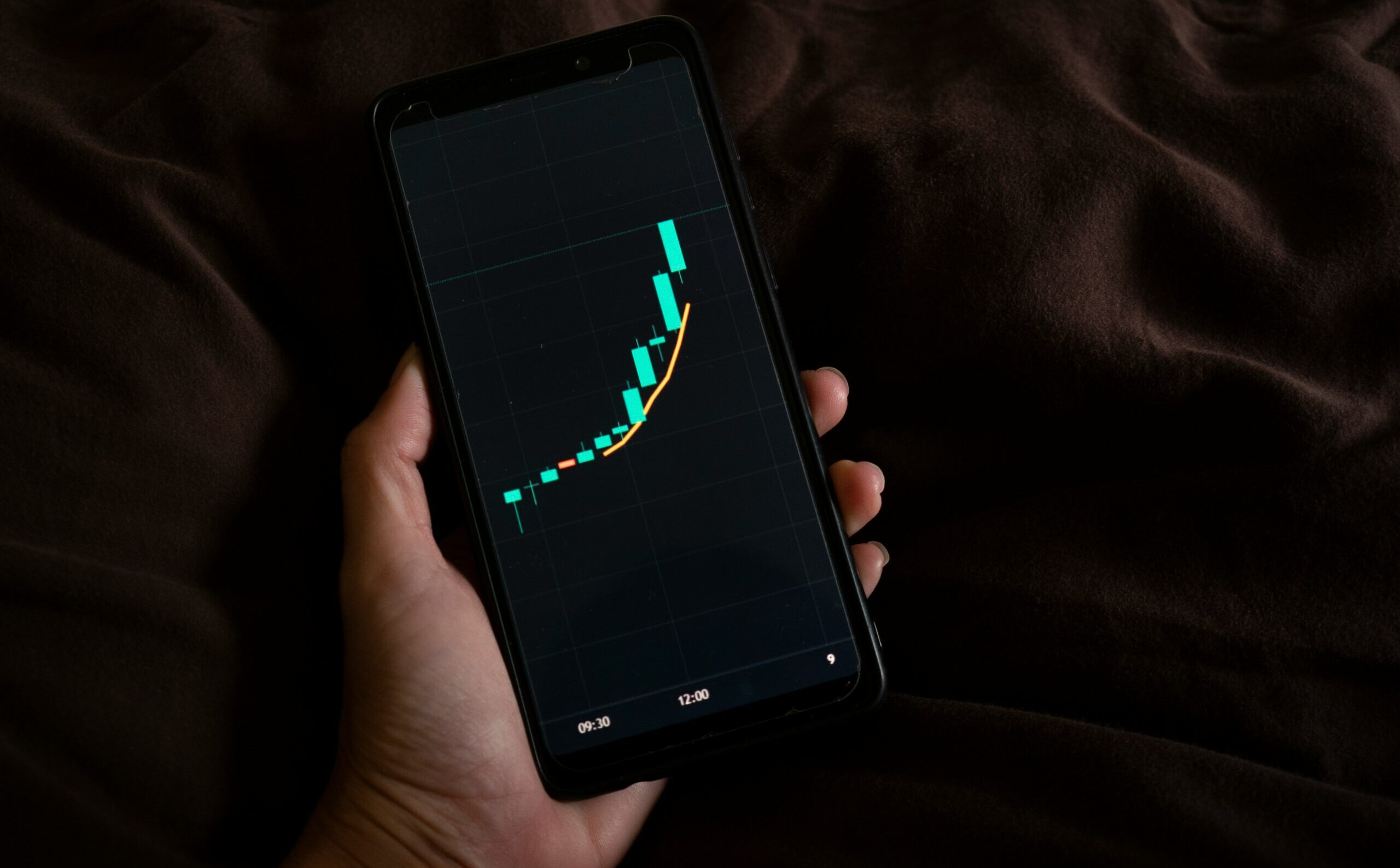
Compound interest — money growing on top of money, year after year. Photo by Unsplash
There’s a concept in personal finance so powerful that it’s been called the eighth wonder of the world. It doesn’t require luck, skill, or a high income to work. It requires just one thing — time.
Compounding is the process of earning returns not just on the money you put in, but on every return you’ve already earned. Your money makes money. Then that money makes money. Over decades, this creates growth that feels almost impossible when you first see the numbers.
For freelancers and independent workers — who have no employer contributing on their behalf and no automatic system nudging them toward retirement — understanding compounding isn’t optional. It’s the foundation of everything.
“The best time to start was ten years ago. The second best time is right now — and the math heavily rewards not waiting any longer.”
How Compounding Actually Works
Let’s make this concrete. Simple interest only earns on your original deposit. Compound interest earns on everything — including past interest.
| Year | Simple Interest (7%) | Compound Interest (7%) | Difference |
|---|---|---|---|
| Year 1 | $10,700 | $10,700 | $0 |
| Year 5 | $13,500 | $14,026 | +$526 |
| Year 10 | $17,000 | $19,672 | +$2,672 |
| Year 20 | $24,000 | $38,697 | +$14,697 |
| Year 30 | $31,000 | $76,123 | +$45,123 |
| Year 40 | $38,000 | $149,745 | +$111,745 |
Starting with $10,000 at 7% annual return. Over 40 years, compounding delivers nearly 4× more than simple interest — on the exact same original investment. You didn’t earn more. You just let compounding run.
The U.S. Securities and Exchange Commission describes compounding as one of the most important concepts for investors to understand — because it fundamentally changes the value of starting early vs starting late.
Why Time Matters More Than Amount
This is the part that genuinely surprises people. When it comes to compounding, when you start matters more than how much you invest. A smaller amount started earlier will beat a larger amount started later — almost every time.
The Two Investor Comparison
| Early Investor | Late Investor | |
|---|---|---|
| Starts investing at | Age 25 | Age 35 |
| Monthly contribution | $300/month | $300/month |
| Annual return | 7% | 7% |
| Total contributed | $144,000 | $108,000 |
| Balance at age 65 | ≈ $910,000 | ≈ $454,000 |
| Difference | Early investor ends up with 2× more — from just 10 extra years | |
The early investor contributed only $36,000 more in total. But ended up with roughly $456,000 more at retirement. The extra money didn’t come from higher contributions or better investments — it came entirely from time.
See It With Your Own Numbers
The numbers above use a fixed example — but your situation is different. Maybe you can contribute $100/month right now, or $500. Maybe you’re starting at 30, or 40. The compounding effect works at every level — what changes is the outcome.
Use the MyFinanceMemo compound interest calculator to plug in your actual numbers and see exactly what your money could become over time.
Try adjusting the starting age, the monthly contribution, or the rate of return. You’ll see quickly how even small changes — starting one year earlier, adding $50/month more — compound into dramatically different outcomes over decades.
Why This Matters More for Freelancers
Salaried employees often have compounding working for them automatically — employer 401(k) contributions, automatic payroll deductions, HR departments nudging them to enroll. Freelancers have none of that.
Every dollar that compounds in a freelancer’s retirement account got there because they made a deliberate decision to put it there. Which means every year of delay is entirely optional — and entirely costly.
The Accounts That Let Compounding Work for You
SEP-IRA — For Higher Earners
Up to $69,000/year — 25% of net self-employment income. Fully tax-deductible, reduces your taxable income significantly. Best for freelancers earning $60,000+ who want to shelter more income. See the IRS SEP-IRA guide for details.
Solo 401(k) — Maximum Flexibility
Up to $69,000/year. Contribute as both employee and employer. Optional Roth component. Best for self-employed with no employees who want the most flexibility. The IRS Solo 401(k) overview covers eligibility and contribution rules.
The freelancer advantage: Unlike salaried employees capped at their employer’s 401(k) match, a high-earning freelancer with a SEP-IRA or Solo 401(k) can shelter dramatically more income from taxes while letting it compound tax-deferred. The accounts available to you are genuinely better than what most employees have access to.
How to Start — Even on Irregular Income
The biggest practical barrier for freelancers isn’t knowledge — it’s the irregularity of income. How do you commit to monthly contributions when some months are feast and some are famine?
The answer is to stop thinking in monthly amounts and start thinking in percentages.
Instead of “I’ll contribute $300 every month,” decide “I’ll contribute 10% of every payment I receive to retirement.” When a $2,000 payment comes in, $200 goes to retirement. When a $5,000 payment comes in, $500 goes. The contribution scales with your income automatically — so slow months don’t break the system.
The Setup in Three Steps
Open the Account
Start with a Roth IRA if you’re unsure — it’s the simplest and most flexible. Fidelity, Vanguard, and Charles Schwab all offer free accounts with no minimums. Takes 15 minutes online.
Set Your Percentage
Decide on 5–15% of every payment going to retirement. Add this to your Priority Stack allocation — after taxes, before lifestyle spending.
Invest It Simply
Don’t overthink the investment. A simple index fund tracking the S&P 500 has historically returned around 7% annually after inflation. Set it, automate it, and let compounding do the rest.
Run Your Own Numbers
Every freelancer’s situation is different — different income, different starting point, different timeline. The compound interest calculator lets you model your specific scenario and see exactly what consistent contributions could build over time.
Start Compounding Today
Your Compounding Action Plan
Further Reading
This content is for educational purposes only and does not constitute financial or tax advice. Actual investment returns vary and are not guaranteed. Consult a qualified financial advisor for guidance specific to your situation.